
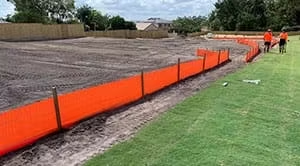
Orange Silt Fence
Orange Silt Fence: A Key Tool in Erosion Control
In the world of construction and environmental management, controlling soil erosion is crucial to protecting our landscapes and waterways. One effective solution that stands out—quite literally, due to its bright color—is the orange silt fence. This educational blog post will explore what orange geotextile for silt fence is, its history in the broader context of geosynthetics, its practical uses, and the numerous benefits it offers. Whether you’re a contractor, landscaper, or simply curious about sustainable practices, understanding this tool can help appreciate its role in modern site management.
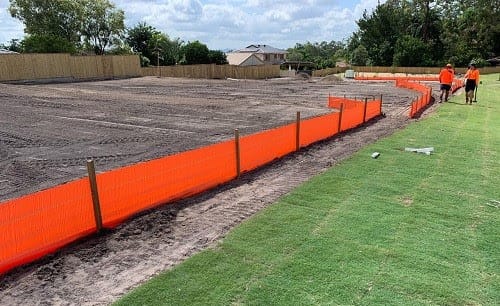
Geotextile For Silt Fence
Orange silt fence is a temporary barrier made from woven geotextile fabric. The bright orange hue for enhanced visibility. It’s designed to trap sediment and prevent soil erosion on disturbed land, such as construction sites. Unlike traditional black or green silt fences, the orange variant often includes features like wire backing for added durability. It is UV-stabilized to withstand prolonged exposure to the elements. This coloring not only serves a functional purpose in erosion control but also acts as a visual alert to workers and passersby, marking hazardous or restricted areas.
At its core, silt fence works by slowing down stormwater runoff, allowing sediment particles to settle out before the water continues downstream. The fabric is permeable, letting water pass through while capturing finer soils, which helps maintain water quality in nearby streams, rivers, and lakes.
A Brief History of Geosynthetics and Silt Fences
The development of materials like orange silt fence is rooted in the geosynthetics industry. This industry encompasses products such as geotextiles used for soil stabilization, filtration, and erosion control. Carthage Mills has been a pioneer in this field since 1958, longer than anyone else in the nation. Carthage Mills started with the innovation of woven synthetic filter cloths as alternatives to traditional granular filters. This breakthrough came in response to challenges like beach erosion from storms in the late 1950s, leading to the widespread adoption of geotextiles for environmental protection.
Over the decades, geosynthetics have evolved to include specialized products like high-visibility orange silt fences. This builds on these early innovations to address modern construction needs. Today, these materials are essential in complying with environmental regulations and promoting sustainable development.
Common Uses of Orange Silt Fence
Orange silt fence is versatile and finds application in various scenarios where erosion control and site safety are priorities. Here are some key uses:
- Construction Sites: It’s commonly installed around perimeters of building projects to contain sediment from excavated soil. This prevents it from washing into storm drains or natural water bodies.
- Landscaping and Grading Projects: During earth-moving activities, such as grading slopes or installing drainage systems, the fence helps stabilize disturbed areas and protects adjacent properties or ecosystems.
- Roadway and Infrastructure Work: Along highways or utility installations, orange silt fence marks boundaries and controls runoff, especially in hilly or erosion-prone terrains.
- Environmental Protection Zones: It can demarcate sensitive areas like wetlands or tree roots, combining erosion control with visual warnings to avoid accidental damage.
- Temporary Barriers in Harsh Conditions: In regions with heavy rainfall or where fences need to remain in place for extended periods, reinforced versions with wire backing provide extra strength.
These applications make it a go-to choice for projects requiring both functionality and safety awareness.
Benefits of Using Orange Silt Fence
The advantages of orange silt fence extend beyond basic erosion control, offering environmental, economic, and safety perks. Let’s break them down:
| Benefit | Description |
| Environmental Protection | By trapping sediment, it prevents water pollution and preserves aquatic habitats, ensuring compliance with regulations like those from the EPA. |
| High Visibility for Safety | The bright orange color serves as a visual barrier, reducing the risk of accidents on busy sites and alerting workers to restricted zones. |
| Durability and Longevity | UV-resistant and often reinforced, it withstands weather exposure, making it suitable for long-term use without frequent replacements. |
| Cost-Effectiveness | As a simple, affordable solution, it provides effective erosion control without the need for more expensive alternatives like retaining walls. |
| Ease of Installation | Lightweight and flexible, it can be quickly set up with stakes or posts, minimizing labor costs and project delays. |
Overall, these benefits contribute to sustainable practices that balance development with ecological responsibility.
Final Thoughts
Orange silt fence represents a smart, visible approach to managing erosion and enhancing site safety in today’s construction landscape. Rooted in decades of innovation from leaders like Carthage Mills, it continues to play a vital role in protecting our environment. If you’re interested in learning more about orange silt fence or geotextiles in general, feel free to reach out to Carthage Mills for additional information and expert guidance.
References
https://sandbaggy.com/products/orange-silt-fence-fabric-rolls
https://ussilt.com/product/silt-fence
https://colonial-materials.com/products-services/erosion-sediment-control/silt-fence/
https://www.valorenv.com/silt-fencing-101-when-is-a-silt-fence-required/
https://www.epa.gov/system/files/documents/2021-11/bmp-silt-fences.pdf
https://www.powerpak.net/blog/what-are-the-different-types-of-silt-fencing-used-for-erosion-control/
https://en.wikipedia.org/wiki/Silt_fence
https://carthagemills.com/history/
https://carthagemills.com/geosynthetic-products/
https://www.geosynthetica.com/geosynthetics-history-filter-fabrics/
https://carthagemills.com/
https://carthagemills.com/history/