

Ultimate Geosynthetic Breakthrough: Geosynthetics for Equestrian Surfaces
The Proven Solution for Unstoppable Ground Stabilization
Geosynthetics for equestrian surfaces – In the world of equestrian sports and facilities, the quality of the riding surface is everything. Whether it’s a professional arena hosting Olympic hopefuls or a backyard paddock for recreational riders, a stable, well-draining, and low-maintenance ground is essential for horse health, rider safety, and performance. Traditional surfaces like plain sand or dirt often fall short—they can become muddy after rain, dusty in dry conditions, and uneven over time due to soil erosion and compaction. Enter geosynthetics: innovative synthetic materials designed to tackle these challenges head-on by providing robust ground stabilization.
As the nation’s oldest geosynthetics company, Carthage Mills has been at the forefront of this technology since 1958, pioneering solutions that have transformed civil engineering and now equestrian infrastructure alike. In this post, we’ll explore how geosynthetics enhance equestrian surfaces, their key benefits, and why sourcing from a trusted leader like Carthage Mills makes all the difference.
What Are Geosynthetics for Equestrian Surfaces?
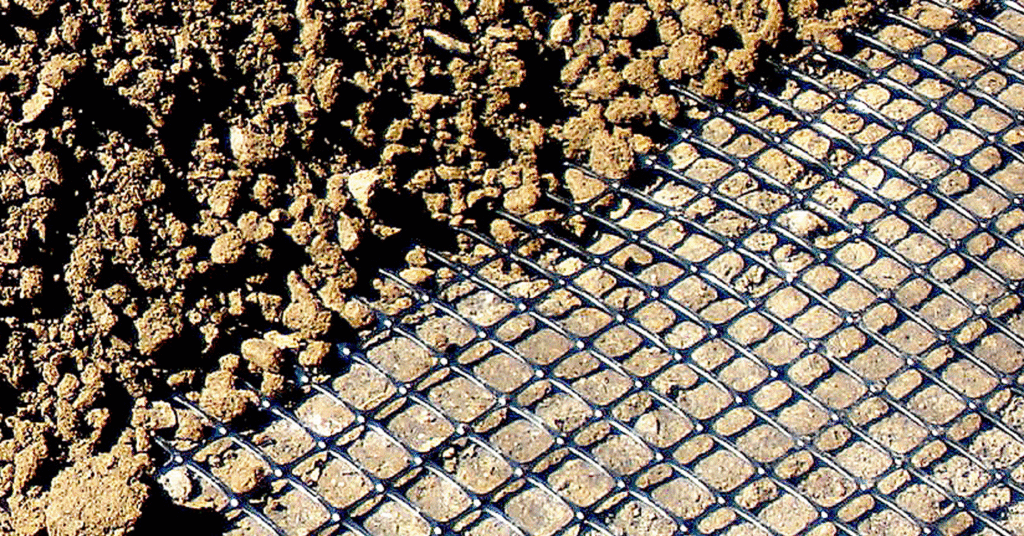
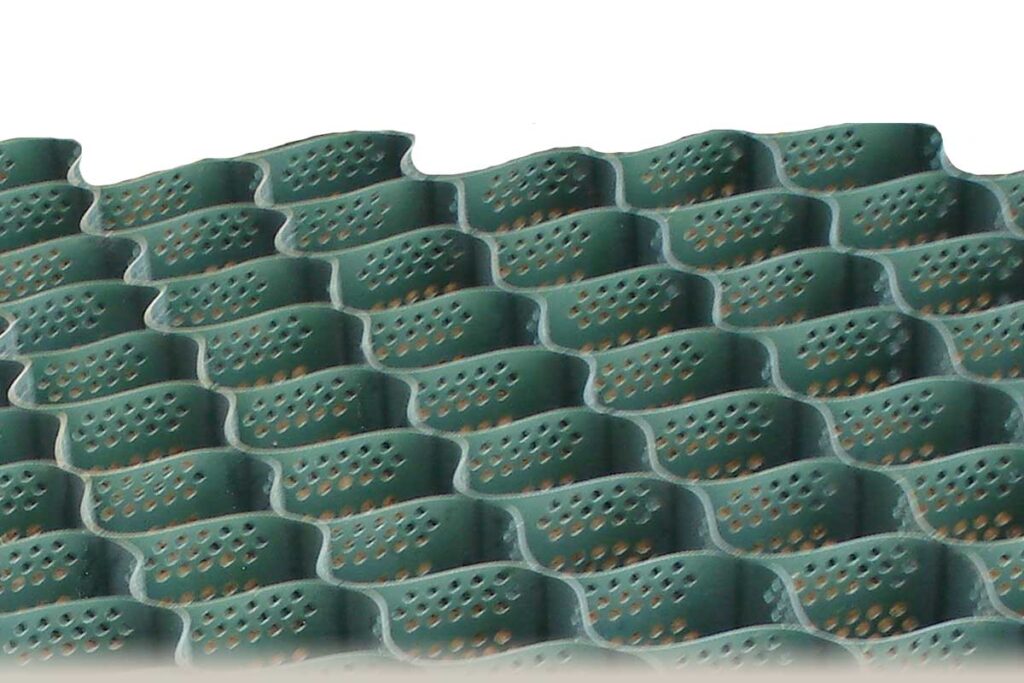
Geosynthetics are man-made materials, typically polymeric in nature, engineered to interact with soil for civil engineering applications. They include products like geotextiles (permeable fabrics), geogrids (grid-like reinforcements), and geocell (honeycomb structures). These versatile materials perform functions such as stabilization, separation, filtration, drainage, and erosion control, making them ideal for stabilizing terrain in demanding environments.
In equestrian contexts, geosynthetics for equestrian surfaces are particularly valuable for creating engineered surfaces that mimic the natural feel of riding while outperforming it in durability and safety. Unlike traditional methods that rely on heavy gravel layers or chemical stabilizers, geosynthetics offer an eco-friendly, cost-effective alternative that integrates seamlessly with the ground.
The Role of Geosynthetics for Equestrian Surfaces, Ground Stabilization
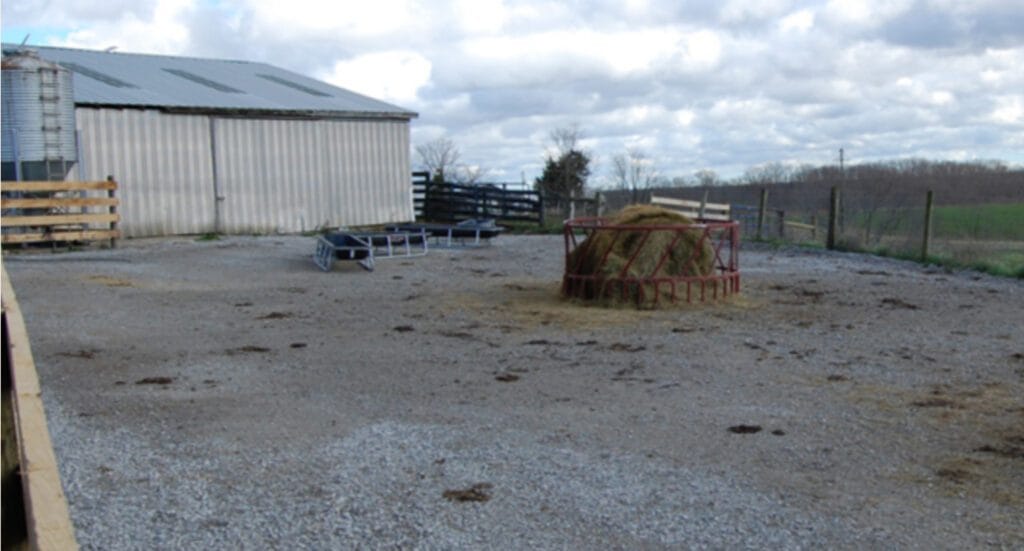
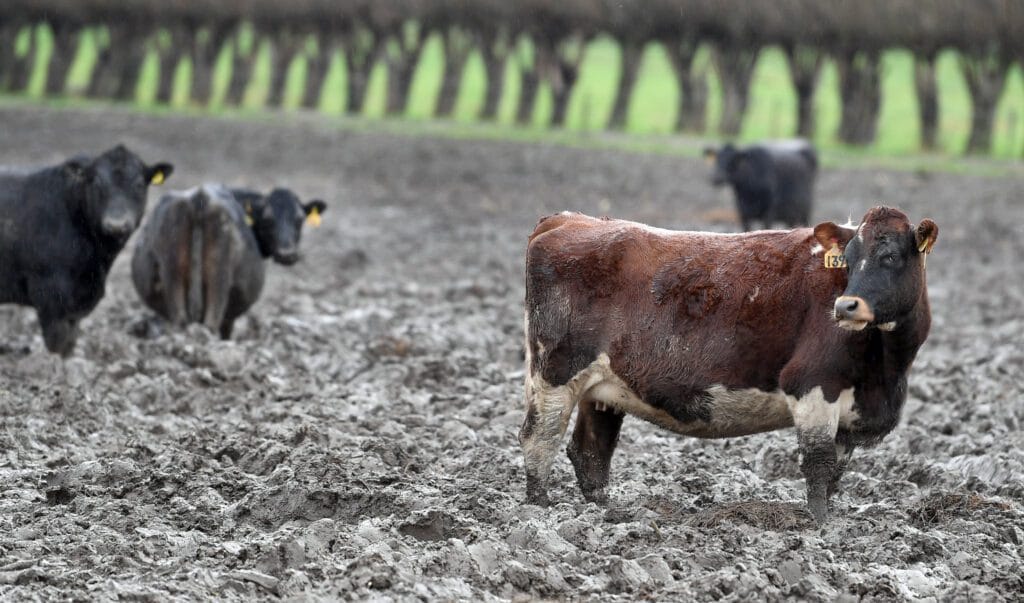
Equestrian surfaces endure intense point loads from hooves, repeated traffic, and variable weather, leading to issues like rutting, erosion, and poor drainage. Geosynthetics address these by reinforcing the subgrade (the underlying soil), separating layers to prevent mixing, and promoting water flow to keep surfaces firm yet forgiving.
Key Applications in Arenas and Paddocks
- Geotextiles for Arena Footing: Shredded or woven geotextiles mixed with sand create a “geotextile footing” that binds particles for better traction and shear resistance. This reduces dust by up to 90% and improves drainage, preventing the surface from becoming waterlogged. For instance, at high-profile events like the FEI World Equestrian Games, geotextile-enhanced arenas have provided consistent performance, cushioning jumps and turns while minimizing leg strain on horses.
- Geocells for Paddock and Trail Stabilization: These expandable honeycomb grids confine soil or aggregate, distributing weight evenly to combat mud and erosion. In rainy regions, equestrian centers have used gravel-filled geocells to create firm, permeable paddocks that allow grass growth and reduce soil disturbance. They’re also perfect for horse trails, where they prevent hoof-sinking and maintain trail integrity over years of use.
- Geogrids for Base Reinforcement: Laid beneath the surface, geogrids interlock with aggregate to form a strong, flexible base that resists deformation. This is crucial for larger facilities, where they can reduce base course thickness by 20-30%, cutting construction costs without sacrificing stability.
By incorporating these materials, equestrian surfaces achieve a balance of firmness for control and resilience for shock absorption—key factors in preventing injuries like tendon strains.
Benefits: Why Choose Geosynthetics for Equestrian Surfaces?
The advantages go beyond immediate performance, offering long-term value for horse owners, trainers, and facility managers:
- Enhanced Safety and Horse Welfare: Stable surfaces reduce slipping and uneven footing, lowering injury risks. Studies show geosynthetic-reinforced sands increase shear strength by up to 50%, providing reliable slide resistance during high-speed maneuvers.
- Superior Drainage and Low Maintenance: Permeable designs channel water away quickly, eliminating puddles and frost heave. This means less downtime for drying out and fewer costly resurfacing efforts—surfaces can last 10-15 years with minimal upkeep.
- Erosion Control and Environmental Sustainability: Geosynthetics prevent soil loss on slopes around arenas or paddocks, supporting vegetation regrowth. Recycled options, like those from Carthage Mills, minimize environmental impact while meeting LEED standards for green facilities.
- Cost Savings: Initial investment is offset by reduced material volumes (e.g., less aggregate needed) and extended lifespan. For a standard 800m² arena, geotextiles add just a fraction to the £10,000+ total cost but dramatically boost longevity.
- Versatility Across Conditions: From clay-heavy soils in the Midwest to sandy terrains in the Southwest, geosynthetics adapt to local challenges, ensuring year-round usability.
Real-world examples abound: A California equestrian center using geotextile footing at the Del Mar Arena reported improved jumping conditions for Olympic contenders, while mud-prone paddocks in the Pacific Northwest have seen mud reduction by over 80% with geocells.
Partnering with Carthage Mills: The Gold Standard in Geosynthetics
When it comes to sourcing reliable geosynthetics, experience matters. Founded in 1958 in Cincinnati, Ohio, Carthage Mills invented the woven filter fabric—the precursor to modern geotextiles—as a breakthrough alternative to ineffective granular filters for erosion control. This innovation birthed the entire geosynthetics industry, earning them the title of America’s first and oldest provider.

Today, Carthage Mills offers a comprehensive lineup tailored for equestrian needs:
- Woven and Nonwoven Geotextiles: High-strength options for separation and reinforcement, DOT-approved for quality assurance.
- Geocells and Geogrids: Durable grids for confinement and load distribution in paddocks and arenas.
- Custom Fabrication: In-house seaming for wide-width applications, ensuring seamless installation.
With a nationwide distributor network and regional warehouses, Carthage Mills combines cutting-edge products with unmatched support—from spec guidance to project troubleshooting. Their commitment to innovation means you’re getting materials tested for real-world performance, backed by over 65 years of leadership.
Conclusion: Gallop Toward a Better Surface Today
Geosynthetics aren’t just a technical fix; they’re a game-changer for equestrian facilities, delivering stable, safe, and sustainable grounds that keep horses thriving and riders focused. By stabilizing the subgrade, enhancing drainage, and controlling erosion, these materials elevate everyday riding to elite standards.
Ready to upgrade your arena or paddock? Start with the pioneers—contact Carthage Mills at carthagemills.com or through your local distributor. With their proven expertise, you’ll ride on a surface as reliable as it is revolutionary. What equestrian challenge are you tackling next? Share in the comments below!
This post is for informational purposes. Consult a professional engineer for site-specific designs.